
The word comes from the Nguni languages spoken by some of Africa’s first peoples, but ubuntu didn’t appear in written sources until the mid-19th Century, rising to prominence in the midst of South Africa’s transition from the apartheid regime to a democracy that included all races.
While definitions of ubuntu have varied over the years, the Nguni proverb “umuntu ngumuntu ngabantu” (often translated as “a person is a person through other persons”) is most commonly used to describe the concept.
In practice, ubuntu is a belief that the common bonds of a group are more important than the divisions within it. As Nelson Mandela once wrote, ubuntu is, “The profound sense that we are human only through the humanity of others; that if we are to accomplish anything in this world, it will in equal measure be due to the work and achievements of others.” In South Africa, the philosophy manifests in displays of kindness and compassion, particularly towards people of different cultural backgrounds.
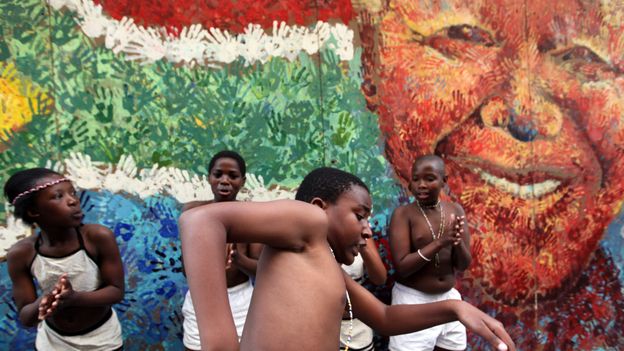
Nelson Mandela was a strong believer in the spiritual ideal of ubuntu, dedicating his life to fighting for the freedom of all South Africans


