
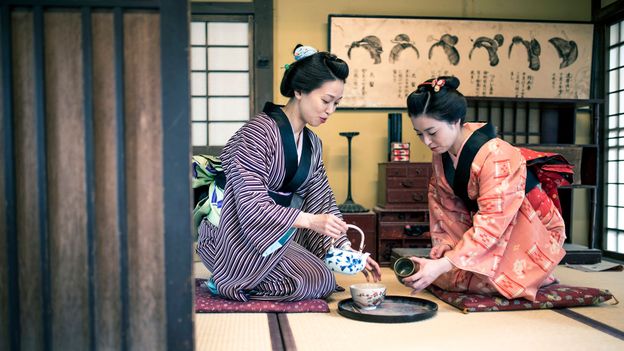
Often described as the world’s most polite country, Japan’s tradition of selfless hospitality is the product of a tradition known as omotenashi. Literally translating to “spirit of service”, this cornerstone of Japanese culture is grounded in the centuries-old ritual of the sado (tea ceremony), which requires a high degree of attentiveness on the host’s behalf to ensure their guests’ every need is fulfilled, without expecting anything in return. The guests, conscious of the host’s efforts, respond by showing an almost reverential gratitude. Both parties thus create an environment of harmony and respect.
While perhaps no Japanese custom better representsomotenashi than the sado, omotenashi has become a way of life in Japan. Staff in shops and restaurants greet customers with a warm “irasshaimase” (welcome) as you step inside; shinkansen (bullet train) cleaners bow to boarding passengers; and taxi drivers open the doors for passengers automatically. An even greater level of politeness is shown to people outside one’s own group, with foreigners typically accorded lavish courtesies.
Japan’s tradition of selfless hospitality is grounded in the centuries-old ritual of the tea ceremony


